
Help – Hilfe zur Selbsthilfe in Kosovo had the pleasure of welcoming colleagues from Headquarters for a multi-day visit focused on strengthening collaboration, reviewing programme progress, and deepening engagement with partners and beneficiaries.
Day 1 – Strategic Exchange and Institutional Meetings
The visit began with a presentation of Help’s portfolio in Kosovo, highlighting ongoing projects, key achievements, and strategic priorities. The exchange provided an opportunity to reflect on programme implementation and align on future directions.
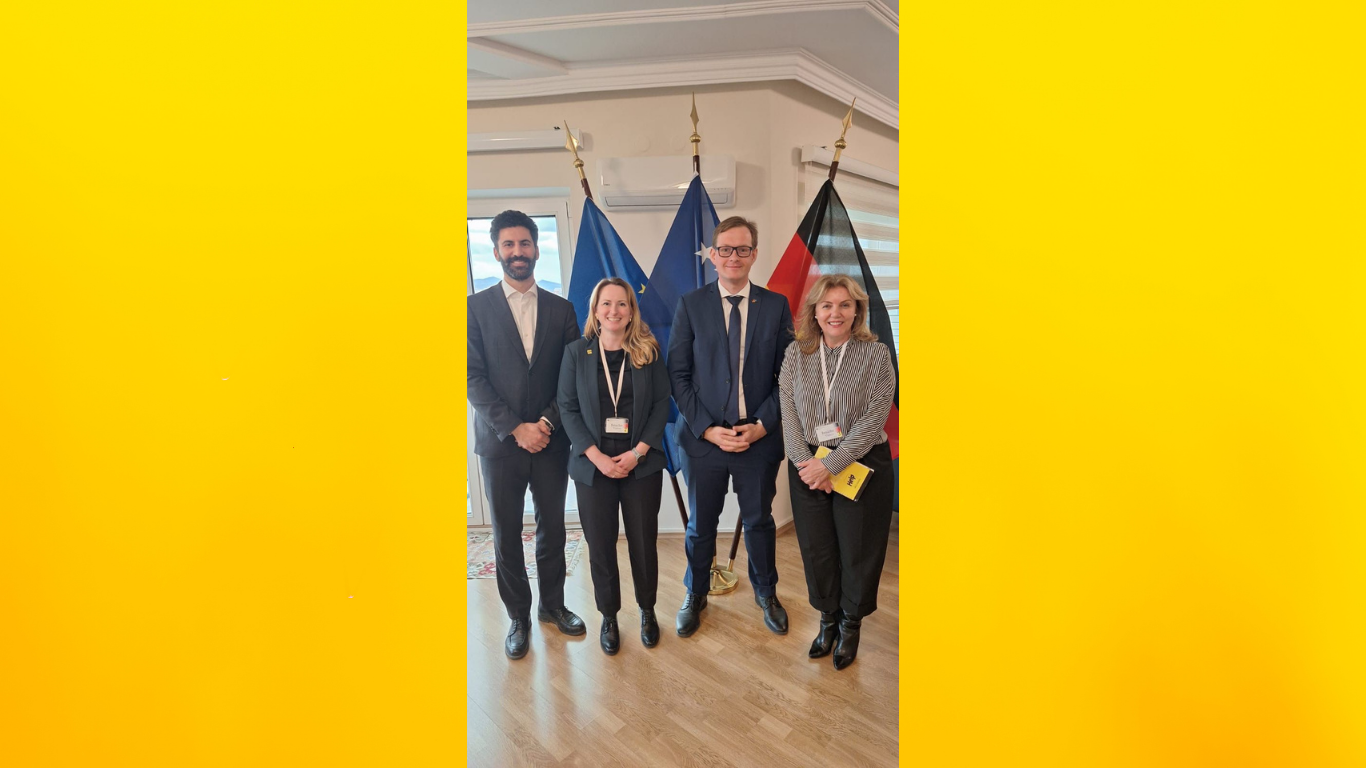
As part of the agenda, a meeting was held at the German Embassy in Pristina with Deputy German Ambassador Christian Böttcher. Discussions focused on programme updates, opportunities for enhanced cooperation, and shared priorities in supporting sustainable development and inclusive growth in Kosovo.
Day 2 – Field Visits and Community Engagement
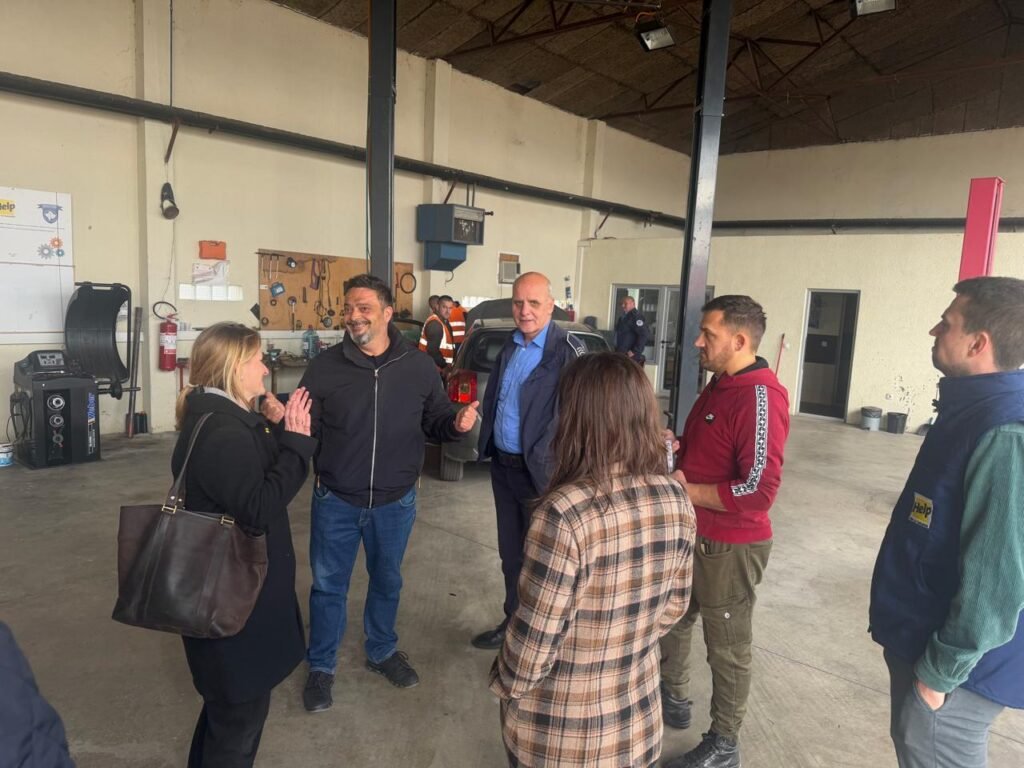
The second day brought the delegation closer to the impact of Help’s work on the ground. The team visited Smrekonica Correctional Centre, where ongoing support initiatives in rehabilitation, skills development, and reintegration were presented.
The visit continued with engagements with beneficiaries and partners in North and South Mitrovica, offering valuable insights into local challenges, success stories, and the tangible outcomes of ongoing interventions. These interactions reinforced the importance of community-based approaches and inclusive support mechanisms.
Day 3 – Regional Dialogue and Future Outlook
The final day focused on strategic dialogue and regional exchange. The day started with a productive meeting with ABSL Kosovo, where discussions centred on advancing the ICT and BPO sector and creating more opportunities for youth employment.
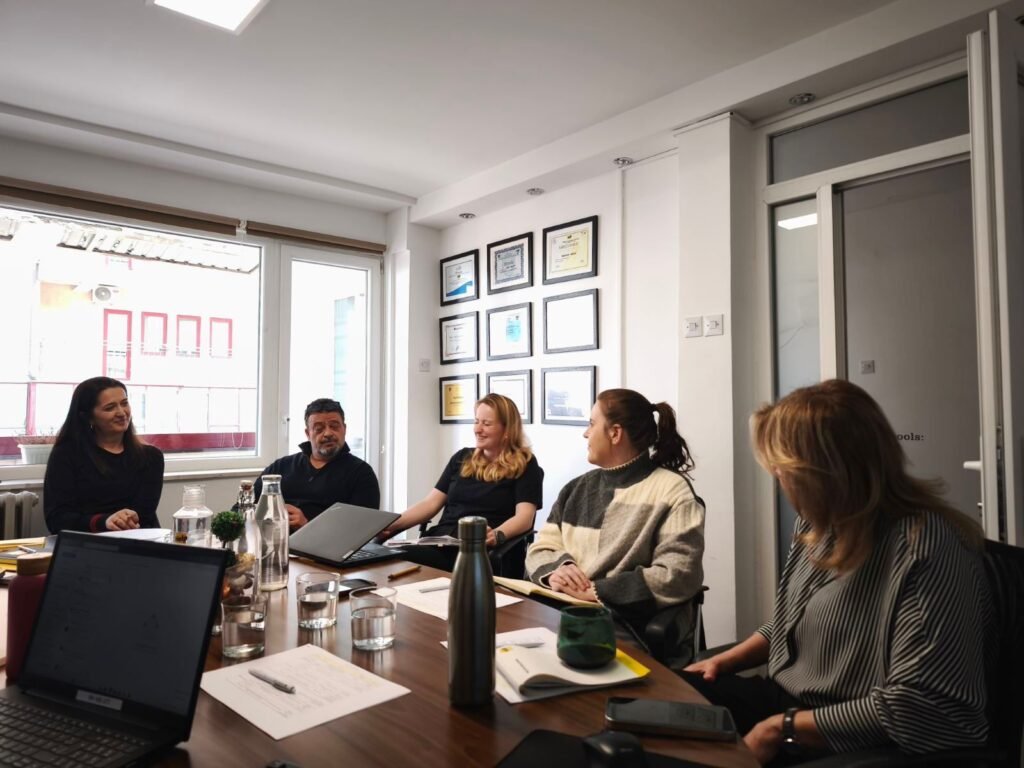
Activities continued at the offices of Help in Kosovo, where colleagues from Kosovo, North Macedonia, and Headquarters presented key achievements of the RECONOMY Programme funded by Sida and implemented by Helvetas and Help across the Western Balkans and Eastern Partnership. The discussions highlighted the importance of regional collaboration, shared learning, and scaling impactful interventions for inclusive economic development.
This visit reaffirmed Help’s strong commitment to partnership, knowledge exchange, and delivering sustainable impact across the region. By combining strategic dialogue with direct engagement in the field, the exchange further strengthened alignment between teams and reinforced a shared vision for inclusive and resilient economic development.
Day 4 – Internal Systems Strengthening and Strategic Planning
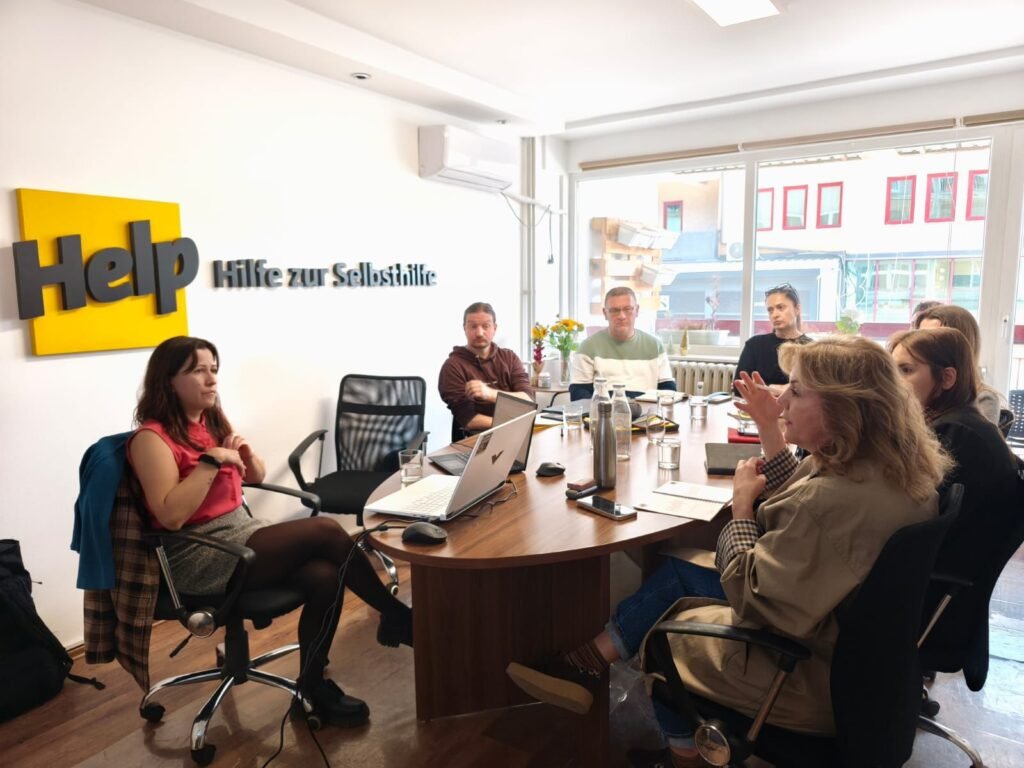
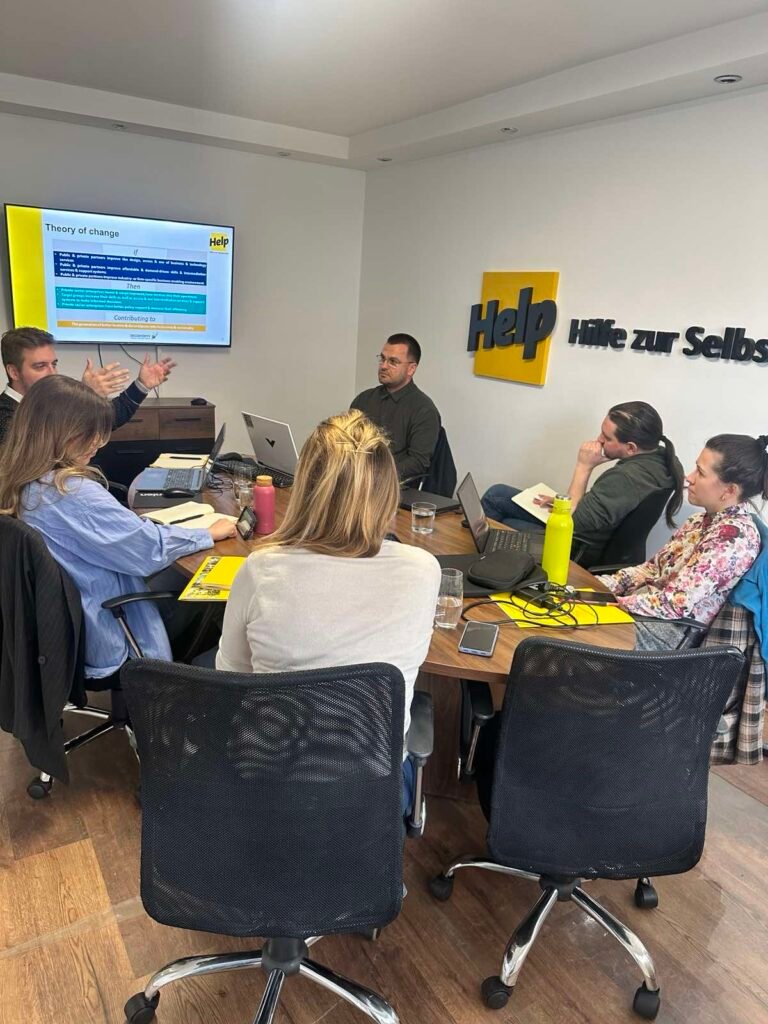
The fourth day focused on strengthening internal systems, financial management practices, and strategic planning for the upcoming programming period. A dedicated session was organized on financial management and administrative processes highlighted the importance of improving cost planning and allocation.
The day continued with a review of the Kosovo Country Strategy (2025–2027), focusing on key priorities such as vocational training, job creation, green transition, and support to vulnerable groups.
The team explored priority thematic areas, potential partnerships, and opportunities to further align project ideas with donor expectations. Emphasis was placed on building competitive proposals and strengthening cooperation with private sector actors and regional partners.
The day concluded with a forward-looking discussion on priorities and next steps, highlighting the need to scale impactful interventions, expand partnerships, and enhance programme sustainability. Key directions included increased participation in consortia, diversification of funding sources, and continued strengthening of monitoring and results measurement systems.
Day 5 – Wrap-up, Reflections, and Way Forward
The final day of the visit focused on reflection, consolidation of key insights, and defining the way forward.
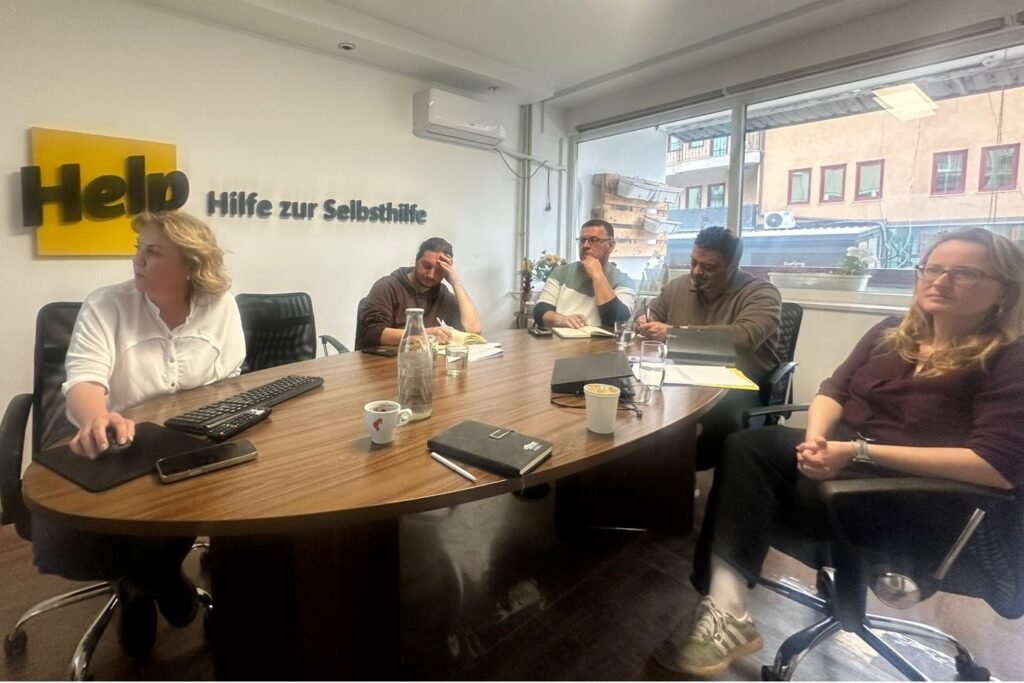
The five-day exchange provided a comprehensive overview of Help’s work in Kosovo, combining internal coordination, field engagement, and high-level strategic discussions. It offered valuable insights into programme performance, operational challenges, and opportunities for growth.
Key takeaways included strong evidence of impact at beneficiary level, particularly in employment generation, skills development, and community-based support. At the same time, discussions highlighted the need for continued improvements in financial planning, procurement coordination, and alignment with evolving donor requirements.
The visit also reinforced the importance of strengthening partnerships—both locally and regionally—and further positioning Help within emerging funding frameworks and regional cooperation mechanisms.